atlas-ametek logoSkip to Main Content
No options found

Application Guide AG 115 - Solar Environmental Testing of Electric Vehicles and Their Components

This Application Guide explains solar environmental testing for EVs and components, covering standards, realistic solar simulation, chamber technologies, glass selection, and best practices for reliable validation.

Electric vehicles and their components are exposed to intense solar radiation, heat, and humidity in real-world conditions. Unlike traditional weathering tests focused on material aging, solar environmental testing (SET) validates the performance, durability, and functionality of large components and complete vehicles under realistic solar heat loads. This is critical for ensuring that assembled parts - such as dashboards, electronics, and exterior panels - can withstand extreme temperature cycles, thermal shocks, and combined mechanical stresses. 


By replicating full-spectrum sunlight (UV, visible, IR) and environmental conditions, SET helps manufacturers minimize warranty risks, ensure compliance with international standards, and support sustainability goals in the rapidly evolving EV market.


In this Application Guide you learn about:

  • The difference between xenon-arc weathering and solar environmental testing, and when to use each method
  • How Metal Halide Global (MHG) solar simulators and Solar Environmental Chambers (SEC) enable realistic heat load and thermal cycling for large parts and vehicles
  • The role of natural weathering benchmarks (e.g., Miami, Phoenix) and temperature profiling for correlation and test validation
  • The importance of glass selection (clear, tempered, laminated, UV-blocking) for accurate UV exposure in test setups
  • Key standards: DIN 75220 for combined solar and thermal cycling, and IEC 60068-2-5 for electronics and component testing under solar stress


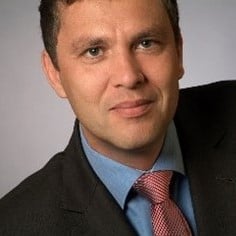
Dr. Oliver D. Rahäuser
About Dr. Oliver D. Rahäuser
Senior Product Manager

Dr. Oliver Rahaeuser user studied Chemistry in Wuerzburg, Germany. He received his Diploma in Inorganic Chemistry and Material Science, followed by his Ph.D. Oliver joined Atlas MTT in 2006 functioning as Product Manager for the SUNTEST® and Xenotest® accelerated weathering testing instrument product lines. Since 2013, he added Product Management of Atlas Custom Systems, which primarily focuses on tailored solar simulator solutions for small and large test chambers for component and product testing. Dr. Oliver Rahaeuser is a member of the German Colour Fastness Committee, and the DKE committees on PV and environmental testing of electronics. Furthermore, he consults Atlas clients on accelerated aging testing and test method development.