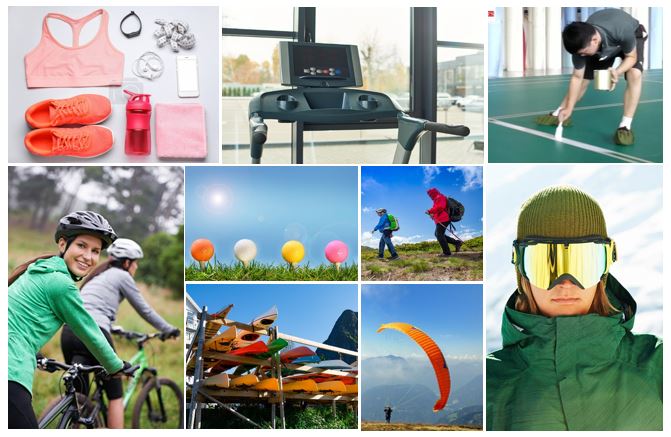
 The World of Leisure and Sporting Goods
Leisure and Sporting Goods are used under the impact of sun, heat, and water. Therefore, decent weathering testing is key to guarantee product performance over the entire service life.
The term "Leisure and Sporting Goods" encompasses a vast and diverse range of products, each designed to enhance our activities both indoors and outdoors. This category includes items made from different materials, each selected for its specific properties and intended use.
Diverse Materials for Diverse Needs
Textiles play a significant role in the Leisure and Sporting goods segment. Products such as regular fashion apparel, sporting gear, tents, and backpacks are crafted from different types of textiles tailored to their specific applications. These materials are chosen for their ability to provide comfort, durability, and functionality.
Polymers are another essential component, especially in products like wearables, fitness equipment parts, or sports shoes. These materials offer flexibility, strength, and resilience, making them ideal for items that undergo heavy use.
Additionally, many products are enhanced with specialized coatings. These coatings can improve the appearance, add functionality, or simply provide protection. Examples include UV protection for outdoor gear and water-repellent properties for items like rain jackets and hiking boots.
Beyond Aesthetics
While color changes and loss of aesthetics are important, the primary focus often lies in the material's mechanical strength and functionality. For example, a helmet must maintain its integrity to ensure safety, while the hydrophobic coating on a tent must remain effective to protect against the rain. Tests also look for potential issues like loss of gloss or delamination of coatings, which could compromise the product's performance and longevity.
Light Fastness Testing of Products Used Indoors
Leisure and Sporting goods predominantly used indoors undergo specific testing to ensure their durability under indoor conditions. The applied xenon-arc tests simulate "worst case" indoor daylight conditions using optical window glass filters to evaluate the color fastness of the materials against sunlight. This testing helps you ensure that your products maintain their appearance and functionality sufficiently long.
Weathering Testing of Products Used Outdoors
For outdoor products, xenon-arc weathering using the Xenotest, SUNTEST, or Ci Weather-Ometer is essential. Which device to choose depends on the specimen shape, size, and number.
The weathering tests use daylight filters and, depending on the application, will exclude/include water sprays. While the primary goal can be to assess the product's color fastness under outdoor conditions, the weathering testing as mentioned earlier often examines also other critical factors of a product such as decreasing strength, or functioning.

Weathering testing with water spray inside Xenotest 440
In addition to laboratory weathering, natural weathering testing is crucial. This process involves exposing your products to actual outdoor conditions, typically at a benchmark test site. That is to confirm and correlate your results obtained from laboratory tests. Natural weathering testing helps you determine the acceleration factor of your laboratory test. By comparing lab results with real-world data, you can, if necessary, further fine-tune your weathering testing protocol and can estimate a product's lifespan and durability.

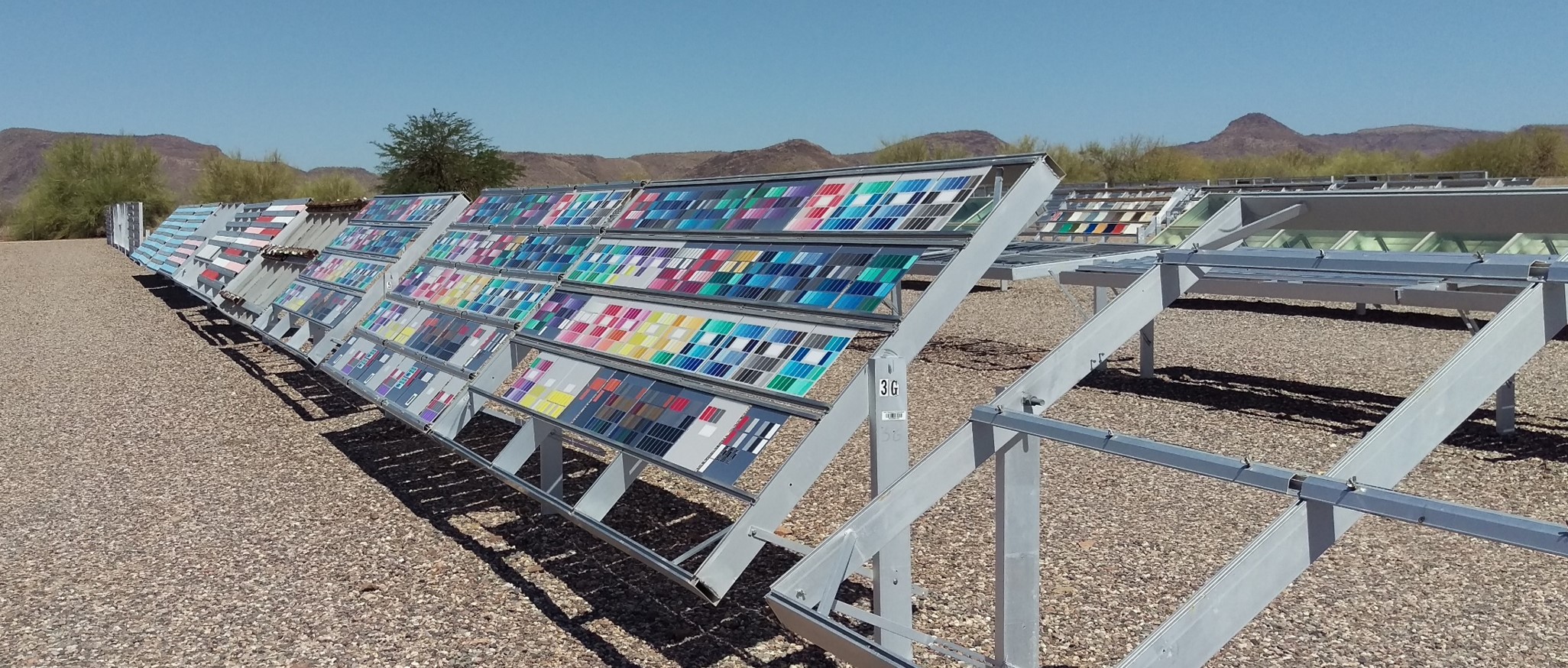 Natural weathering testing using standardized exposure racks
More Information
Natural weathering testing using standardized exposure racks
More Information
Light fastness and weathering testing for Leisure and Sporting products are crucial to ensuring that products meet user’s expectations - whether designed for indoor or outdoor use.
A brand-new Application Guide explains commonly used xenon-arc weathering tests for leisure and sporting products - ideal for everyone working in R&D or a test lab.
For further information on weathering and lightfastness testing, check our online library or review the upcoming online and live educational classes.